












Water Security in Poultry Farming: The Growing Challenge for Asia and How Farms Can Adapt

Water is becoming one of the most critical operational resources in poultry farming across the Asia Pacific region. Climate variability, population growth, and competing agricultural demand are placing increasing pressure on freshwater availability. For poultry producers, water directly influences flock health, feed efficiency, heat stress resilience, biosecurity, and operational continuity. As water stress intensifies, farms must adopt more deliberate and data-informed water management practices.
Water Stress Trends Across Asia Pacific
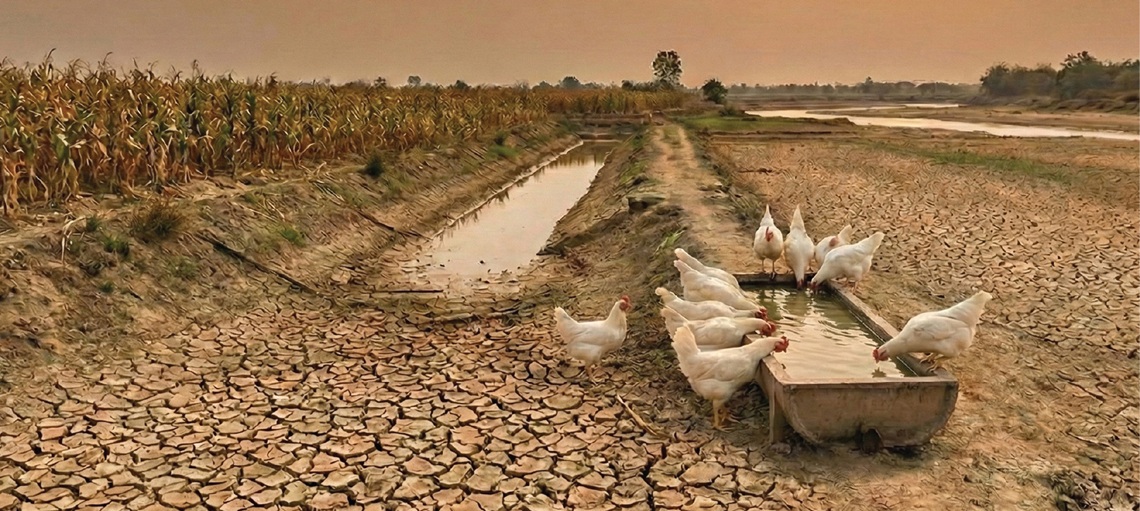
Several countries and river basins in Asia Pacific are experiencing rising water stress. According to the World Resources Institute, large parts of Southeast Asia face increasing pressure due to agricultural demand and urban growth. Indonesia and the Philippines are exposed to seasonal water shortages, while Australia continues to face recurrent drought cycles. Japan, although temperate, is experiencing changing precipitation patterns and hotter summers that raise livestock water demand.
The Asian Development Bank’s Asian Water Development Outlook highlights widespread medium-to-high water insecurity across Asia and the Pacific. Agriculture remains the largest consumer of freshwater, accounting for roughly 70 percent of withdrawals. Livestock operations, including poultry, are increasingly expected to improve water efficiency as part of broader sustainability and resilience goals.
Where Poultry Farms Lose Water and Efficiency
Water losses on poultry farms typically occur at predictable points. Identifying these areas is the first step toward improving efficiency.
| Area of Water Use | Common Issues | Operational Impact |
| Drinking systems | Leaking nipples, incorrect pressure, biofilm | Wet litter, ammonia, wasted water |
| Cooling systems | Overuse of evaporative pads and fogging | High water consumption during heat events |
| Cleaning routines | Excessive washing volumes | Increased water bills and downtime |
| Infrastructure | Undetected leaks in pipes or tanks | Long-term, unnoticed losses |
These losses increase operational costs and compromise bird welfare when water supply becomes inconsistent.
Impact of Water Availability on Poultry Performance
Water intake is closely linked to feed intake and thermoregulation. Research consistently shows that poultry consume between 1.6 and 2.0 times more water than feed by weight. During heat stress, water demand increases significantly.
Studies indicate that broilers increase water consumption by approximately 7 percent for every 1°C rise in ambient temperature. When water availability or quality declines, birds reduce feed intake, leading to poorer feed conversion ratios, slower growth, and increased mortality. Layers experience similar stress, with impacts on egg production, shell quality, and uniformity.
Water quality also plays a critical role. High levels of iron, manganese, bacteria, or sediment contribute to nipple clogging and biofilm formation, which restricts water flow and increases disease risk.
Practical Water Optimization Strategies
Improving water security does not require excessive complexity. Many gains come from consistent system design and monitoring.
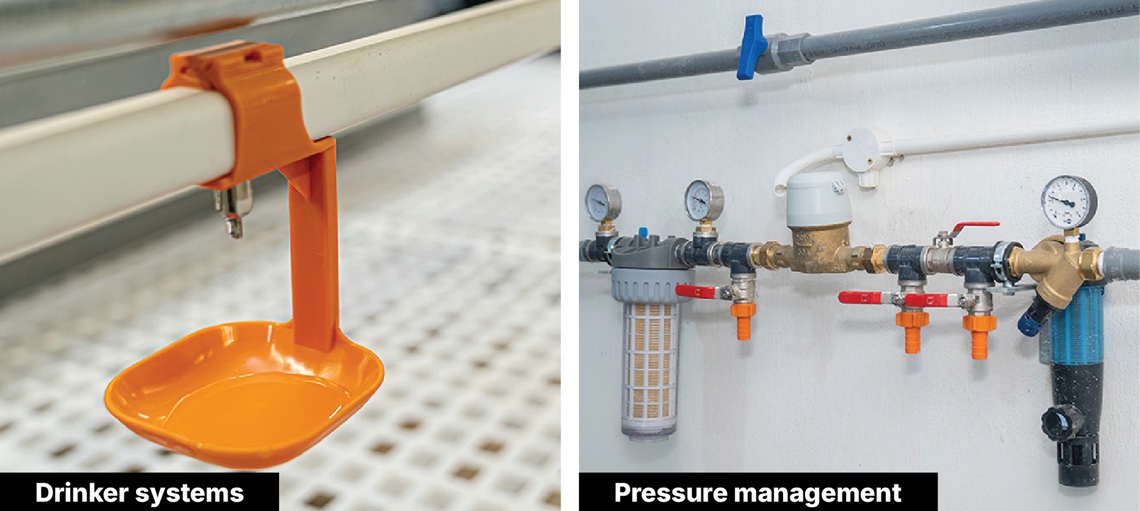
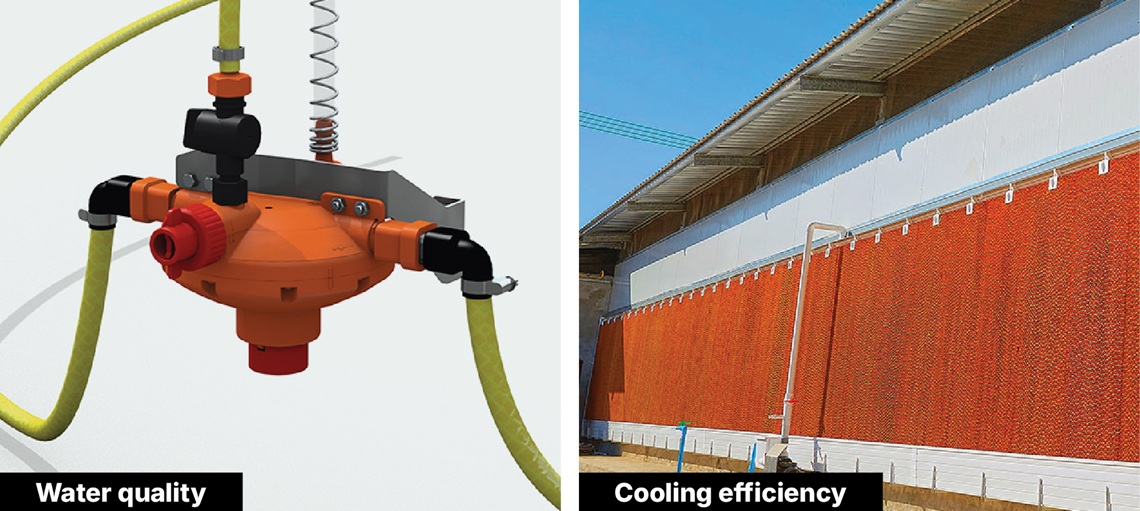
| Optimization Area | Practical Measures |
| Drinker systems | Closed nipple lines, correct height and pressure |
| Pressure management | Zone-based regulators matched to bird age |
| Water quality | Filtration, periodic flushing, sanitation protocols |
| Cooling efficiency | Well-maintained evaporative pads and calibrated flow |
| Storage | Adequate tank capacity for peak demand periods |
These measures improve reliability while reducing waste.
Technology-Guided Water Efficiency
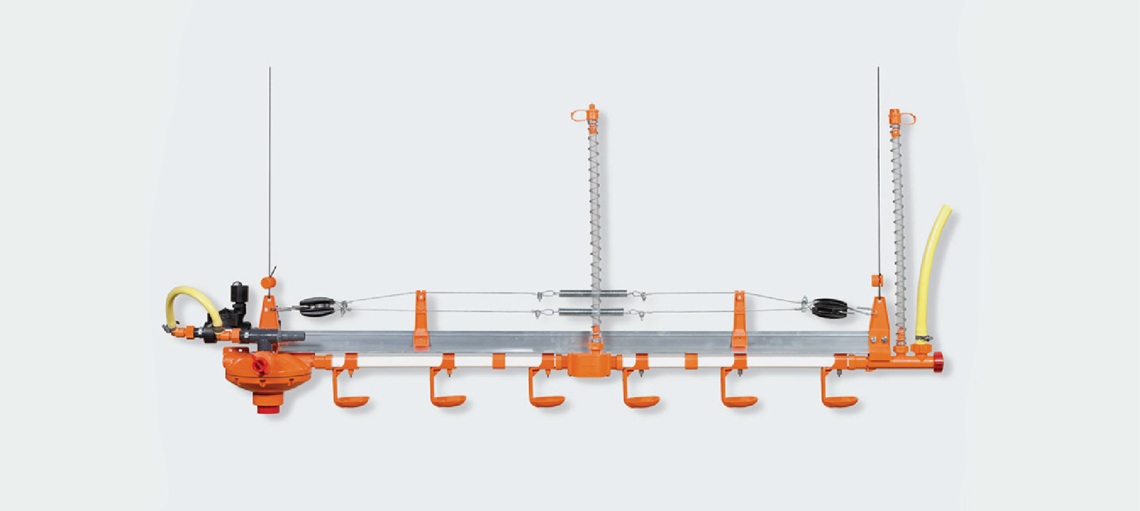
Digital monitoring tools are increasingly used to track water consumption patterns and detect anomalies, particularly in environments exposed to climate variability.
When water data is integrated with temperature, humidity, and flock activity, farms gain a clearer understanding of how environmental conditions influence demand. This visibility supports better decision-making during heat events, vaccination periods, and cleaning cycles. Many modern farms rely on digital logging to maintain performance during extreme weather and seasonal transitions.
Application in Hot-Climate APAC Countries
Water strategies must reflect local conditions.
Indonesia and the Philippines
Long dry seasons and high humidity increase dependence on cooling systems. Closed drinker lines, improved storage capacity, and calibrated evaporative cooling reduce stress on water supplies.
Northern Australia
Heatwaves and drought require contingency planning. Water-efficient cleaning routines, leak detection, and monitoring tools help maintain operations during restrictions.
Japan
Seasonal variation requires flexible management. Monitoring systems support adjustments in water delivery as temperatures shift across the year.
Water security is becoming a defining factor in poultry production across Asia Pacific. Rising temperatures, seasonal scarcity, and increasing regulatory scrutiny require farms to manage water with greater precision. Efficient drinker systems, reliable cooling practices, water quality management, and digital monitoring together form a practical foundation for adaptation. Farms that treat water as a strategic resource are better positioned to maintain productivity, protect animal welfare, and operate reliably in an increasingly uncertain climate.
References
- World Resources Institute. 25 Countries Face Extremely High Water Stress.
https://www.wri.org/insights/highest-water-stressed-countries - Asian Development Bank. Asian Water Development Outlook 2020: Advancing Water Security Across Asia and the Pacific.
https://www.adb.org/publications/asian-water-development-outlook-2020 - FAO. Water Use in Livestock Production Systems.
https://www.fao.org/3/i8384en/I8384EN.pdf - The Poultry Site. Broiler Water Consumption.
https://www.thepoultrysite.com/articles/broiler-water-consumption - The Poultry Site. Water-Related Factors in Broiler Production.
https://www.thepoultrysite.com/articles/waterrelated-factors-in-broiler-production - National Center for Biotechnology Information (NCBI). Heat Stress in Poultry and Water Intake.
https://pmc.ncbi.nlm.nih.gov/articles/PMC7460371/ - EW Nutrition. Feed and Water Management Strategies Under Heat Stress.
https://ew-nutrition.com/us/feed-water-management-strategies-heat-stress-layers/ - Australian Bureau of Meteorology. Drought and Climate Outlook.
https://www.bom.gov.au/climate/
Disclaimer:
This article is based on publicly available research and industry publications and is intended as a general guide for poultry producers. While every effort has been made to ensure accuracy, the information provided should not replace professional veterinary advice or site-specific consultations. Production outcomes may vary based on local conditions, management practices, bird genetics, and other factors.